
Property Types Covered For Fire Risk Assessments
At HMO Fire Risk Assessment, we provide professional fire risk assessments for a wide range of residential, commercial, and public sector properties across the UK.
Our fire risk assessment services cover:
- HMOs & Shared Accommodation
- Flats & Apartment Blocks
- Office Buildings & Commercial Premises
- Healthcare Facilities & Medical Centres
- Care Homes & Assisted Living Facilities
- Retail Units & Shopping Centres
- Schools, Colleges & Educational Facilities
- Industrial Units, Warehouses & Manufacturing Premises
- Restaurants, Cafés, Pubs & Hospitality Venues
Whether you are a landlord, business owner, managing agent, or responsible person, we provide fully compliant fire risk assessments tailored to your property type and operational requirements.
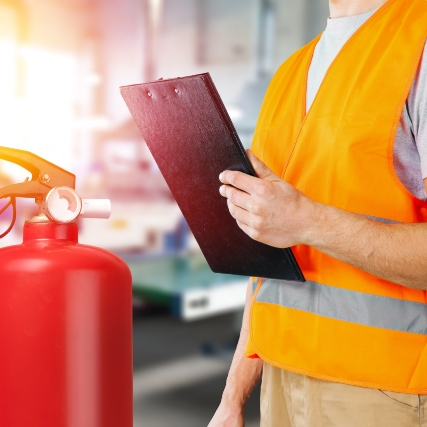

See Below For The Types Of Properties We Offer Fire Risk Assessments For
At HMO Fire Risk Assessment, we provide professional fire risk assessments for a wide range of residential, commercial, industrial, healthcare, educational, and hospitality properties across the UK. Every property type presents its own fire safety risks, legal responsibilities, and operational challenges, which is why every assessment is tailored to the building and occupancy in front of us.
We work with:
- Landlords, business owners, managing agents, housing providers and freeholders
- Schools, healthcare organisations and care providers
- Commercial, industrial and hospitality operators
Whether you need a fire risk assessment for an HMO, apartment block, office, healthcare facility, care home, retail premises, educational building, industrial site, or restaurant, we provide clear, practical, and fully compliant reports that identify hazards, reduce risks, and support safer environments.
See below for the different property types we cover and how we help each sector stay compliant, protected, and fire safe.
Latest Articles
Furniture Fire Safety in HMOs: What Manchester Landlords Must Legally Provide
Most HMO landlords I talk to can rattle off their fire door requirements, their alarm grade, and their emergency lighting checks without missing a beat....
Restaurant Fire Risk Assessments
We understand the unique fire safety challenges associated with hospitality environments, including commercial kitchens, cooking equipment, gas appliances, extraction systems, electrical equipment, and emergency evacuation procedures. Our experienced assessors deliver clear, practical, and fully compliant Restaurant Fire Risk Assessments tailored specifically to restaurants, cafés, pubs, bars, takeaways, and hospitality venues.



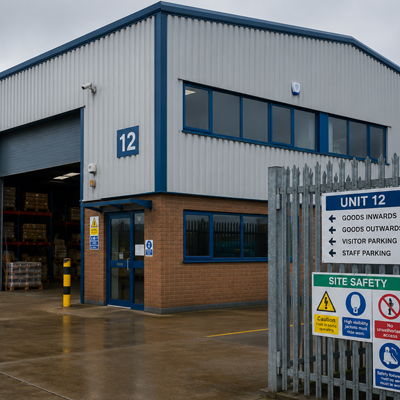
Industrial Fire Risk Assessments
We understand the unique fire safety challenges associated with industrial environments, including heavy machinery, hazardous materials, warehouse storage, electrical systems, production processes, and emergency evacuation procedures. Our experienced assessors deliver clear, practical, and fully compliant Industrial Fire Risk Assessments tailored specifically to factories, warehouses, manufacturing facilities, and industrial premises.
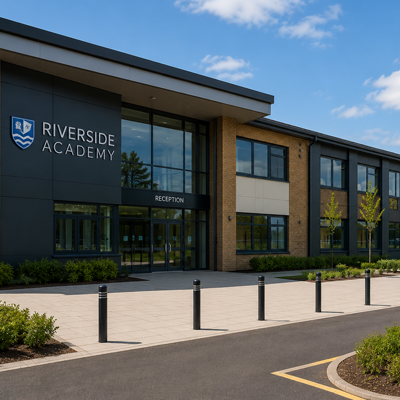
Education Fire Risk Assessments
We understand the unique fire safety challenges associated with educational environments, including high occupancy levels, safeguarding responsibilities, classroom safety, electrical equipment, communal spaces, and emergency evacuation procedures. Our experienced assessors deliver clear, practical, and fully compliant Education Fire Risk Assessments tailored specifically to schools, colleges, nurseries, and educational facilities.
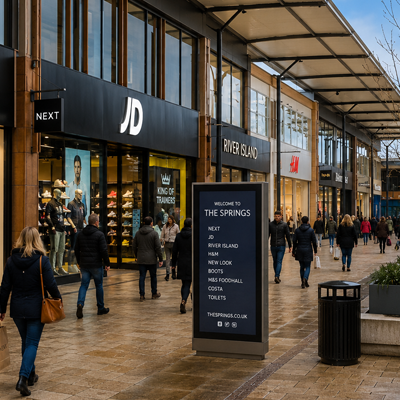
Retail Fire Risk Assessments
We understand the unique fire safety challenges associated with retail environments, including high customer footfall, stock storage, electrical equipment, seasonal demand changes, and emergency evacuation procedures. Our experienced assessors deliver clear, practical, and fully compliant Retail Fire Risk Assessments tailored specifically to retail businesses and commercial premises.
Care Homes & Assisted Living Fire Risk Assessments
We understand the unique fire safety challenges associated with residential care environments, including vulnerable residents, assisted evacuation procedures, reduced mobility, dementia care considerations, sleeping accommodation risks, and complex staffing arrangements. Our experienced assessors deliver clear, practical, and fully compliant Care Homes & Assisted Living Fire Risk Assessments tailored specifically to the operational requirements of care facilities and supported living environments.
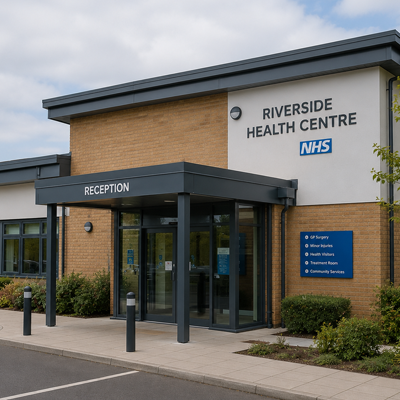
Healthcare Facilities Fire Risk Assessments
We understand the unique fire safety challenges associated with healthcare environments, including vulnerable patients, assisted evacuation procedures, medical equipment, oxygen storage, hazardous materials, high occupancy levels, and complex building layouts. Our experienced assessors deliver clear, practical, and fully compliant Fire Risk Assessments for Healthcare Facilities tailored specifically to the operational requirements and safety demands of healthcare premises.
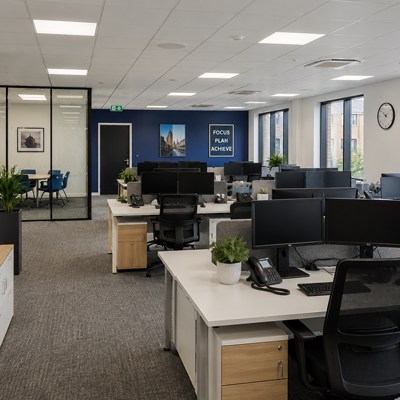
Office Fire Risk Assessments
We understand the unique fire safety challenges associated with modern office environments, including high occupancy levels, electrical equipment, server rooms, kitchen facilities, escape route management, and workplace evacuation procedures. Our experienced assessors deliver clear, practical, and fully compliant Office Fire Risk Assessments tailored specifically to commercial office premises and business environments.
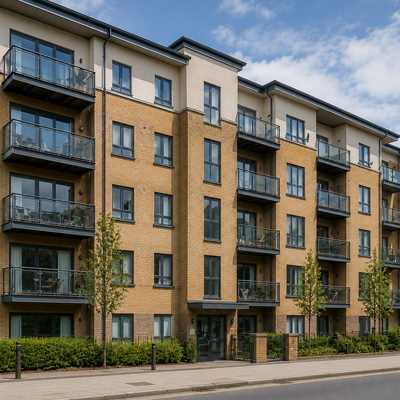
Flats & Apartment Block Fire Risk Assessments
Blocks of flats and apartment buildings can present complex fire safety challenges due to shared communal areas, multiple occupants, compartmentation requirements, and the need for safe evacuation procedures. Our experienced assessors provide detailed Flats & Apartment Block Fire Risk Assessments that identify potential hazards, highlight areas of non-compliance, and offer practical recommendations to improve fire safety standards throughout the building and its communal spaces.
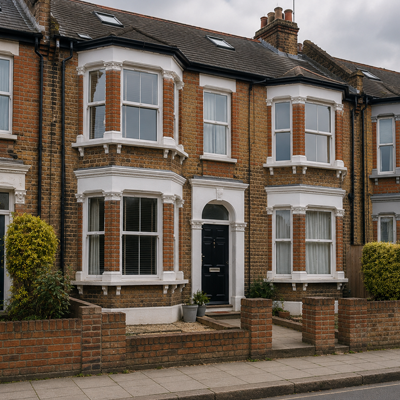
HMO Fire Risk Assessments
HMOs are considered higher-risk residential properties due to the number of occupants, shared facilities, and increased likelihood of fire incidents. Our experienced assessors provide detailed reports identifying hazards, highlighting areas of non-compliance, and offering practical recommendations to improve fire safety standards throughout your property.
Get Your Quote Today
